Is Starter Vape Kit Safe? Second-Hand Aerosol — A beginner's starting point
Direct answer
Exhaled aerosol contains nicotine and particulates at much lower concentrations than cigarette smoke, and it disperses quickly in ventilated space. It is not water vapour, and it is not zero. The practical question is concentration and duration in an enclosed room. Indoor PM2.5 during vaping usually peaks well below smoking levels but above baseline background. Documentation separates a claim from a fact: model number, test standard, laboratory and date are the four fields that matter. Anyone with an existing condition should treat a product page as background, not as medical advice. The useful question is not whether a product is safe in the abstract but which specific risk is being controlled and how it is verified.
Most of what circulates about Starter Vape Kit is either a study abstract or a marketing line. This page works from the middle: what a test report shows, what it does not, and which question it leaves open.
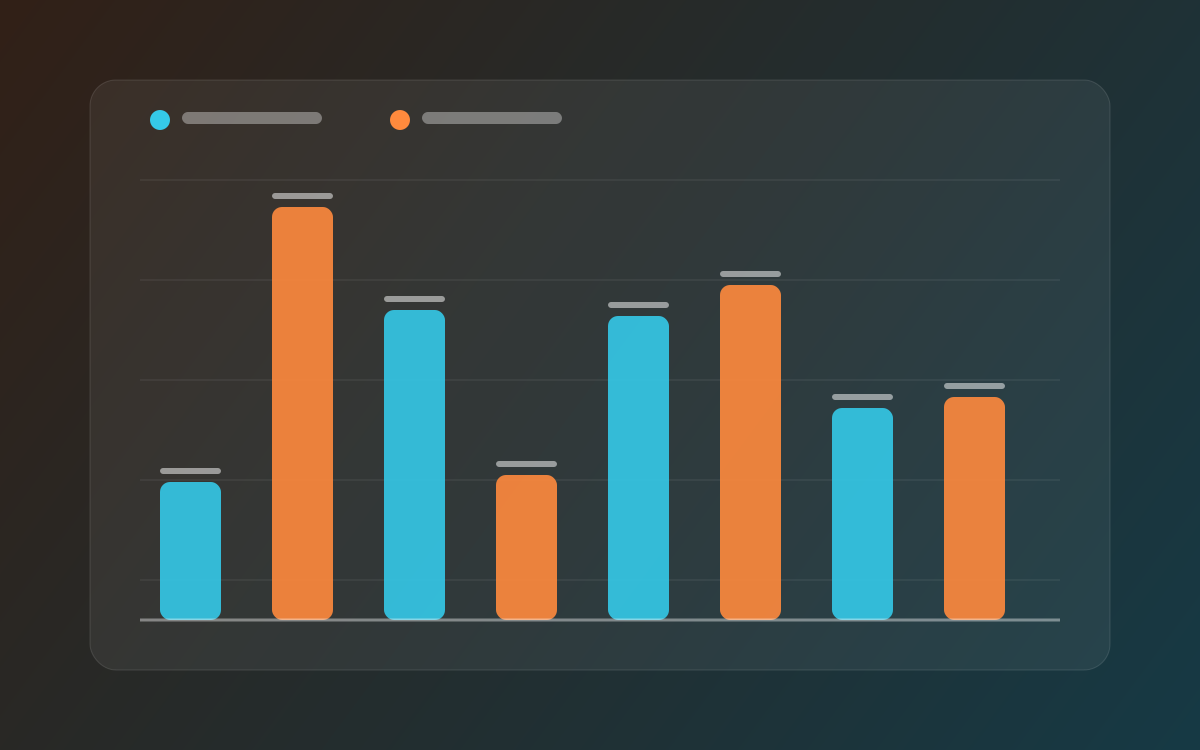
Exhaled aerosol and bystanders
Read this in the context of Starter Vape Kit: the measurement conditions matter as much as the result. Measurements in indoor settings show nicotine and PM2.5 rising during active use and falling once use stops, with values well below those measured during smoking. Unventilated small rooms accumulate more. Many jurisdictions regulate vaping in enclosed public spaces on precautionary grounds rather than on measured harm, and the rules apply regardless of the exposure numbers.
- Particulate levels fall quickly after use stops
- Respect venue policy without argument
- Ventilate rooms where devices are used
- Check the wrap on any removable cell
- Keep the device below the rated wattage
A beginner's starting point
On the question of whether Starter Vape Kit is safe, this is the evidence that carries most weight. First-time buyers usually over-buy hardware and under-buy consumables. Start with one device, one spare pod or coil, and a liquid strength that matches how much you previously smoked. Give it a week before changing anything, because most early problems come from charging habits and draw technique rather than from the product itself.
- Buy one spare consumable before you need it
- Change one variable at a time
- Read the filling and charging instructions once, properly

Numbers to work from
For Starter Vape Kit, the useful answer depends on the conditions described below. Read the table as a set of checks rather than a specification. The second column says what to measure, the last column says what goes wrong when it is ignored.
| Risk area | What to check | Evidence to ask for | Residual risk |
|---|---|---|---|
| Liquid composition | PG/VG ratio, flavourings, nicotine source | Safety data sheet, ingredient list | Irritation and sensitisation |
| Aerosol metals | Coil alloy and temperature | Lab aerosol test | Trace metal exposure |
| Device condition | Coil age, dry hits, residue | Maintenance schedule | Aldehyde formation |
| Age control | Verification at point of sale | ID check policy and logs | Youth access |
| Documentation | Model-to-report match | Test report with date and lab | Unverified claims |
Step by step
- Read the filling instructions once
- Prime the coil and wait
- Charge with a 5V adapter
- Keep the device out of hot cars
- Replace consumables on a schedule rather than on failure
Practical notes
Regulators publish periodic evidence reviews, and the wording of those reviews is a better guide than a marketing page. Anyone handling stock should know the difference between a compliance document and a certificate of conformity issued without testing. A dated test report and a traceable batch number do more for safety than any label wording.
Questions people ask
What decides second-hand aerosol for is starter vape kit safe??
Indoor PM2.5 during vaping typically peaks well below smoking levels but above baseline background. Ventilate rooms where devices are used.
Is the device itself the main risk?
Battery and charging faults account for most reported incidents, not the aerosol. Protected cells, a compliant charger and an unscratched wrap remove the majority of that risk.
How does this compare with smoking cigarettes?
Public health bodies in the UK and elsewhere describe vaping as substantially less harmful than smoking, while noting it is not risk-free. The comparison is with combustible tobacco, not with breathing clean air.
What does the aerosol actually contain?
Typically propylene glycol, vegetable glycerin, nicotine, flavourings and trace metals from the coil. The exact mix depends on the liquid, the power setting and the condition of the coil.
Are there long-term studies?
Follow-up periods are still short compared with tobacco, so the honest position is that long-term effects are not fully characterised. Regulators publish periodic reviews as evidence accumulates.
Related guides
- Second-Hand Aerosol ExplainedSecond-Hand Aerosol, with the figures and documents that decide it.
- Second-Hand Aerosol in NumbersSecond-Hand Aerosol, with the figures and documents that decide it.
- Compared with Smoking in NumbersCompared with Smoking, with the figures and documents that decide it.
- Quitting Evidence ExplainedQuitting Evidence, with the figures and documents that decide it.
- Quitting Evidence 2026 UpdateQuitting Evidence, with the figures and documents that decide it.
- Storage & Child Safety Cost BreakdownStorage & Child Safety, with the figures and documents that decide it.
Regulatory and technical details on this page are a practical summary for buyers and operators, current as of 2026. Rules, limits and standards change; confirm the position with the relevant authority and with your supplier's documentation before shipping or selling.