Is Starter Vape Kit Safe? E-Liquid Ingredients — What changed for 2026
Direct answer
A compliant e-liquid has a short ingredient list: propylene glycol, vegetable glycerin, nicotine, flavourings and sometimes a small amount of water or ethanol. Problems usually come from what is not declared rather than from the base ingredients themselves. A nicotine certificate of analysis normally reports assay purity above 99% and both isomer ratios. Documentation separates a claim from a fact: model number, test standard, laboratory and date are the four fields that matter. A dated test report and a traceable batch number do more for safety than any label wording. Documentation separates a claim from a fact: model number, test standard, laboratory and date are the four fields that matter.
Questions about Starter Vape Kit arrive from three directions: a buyer checking documents, a retailer answering a customer, and someone deciding whether to start. The three need different answers, and mixing them is how confident claims get made without evidence.
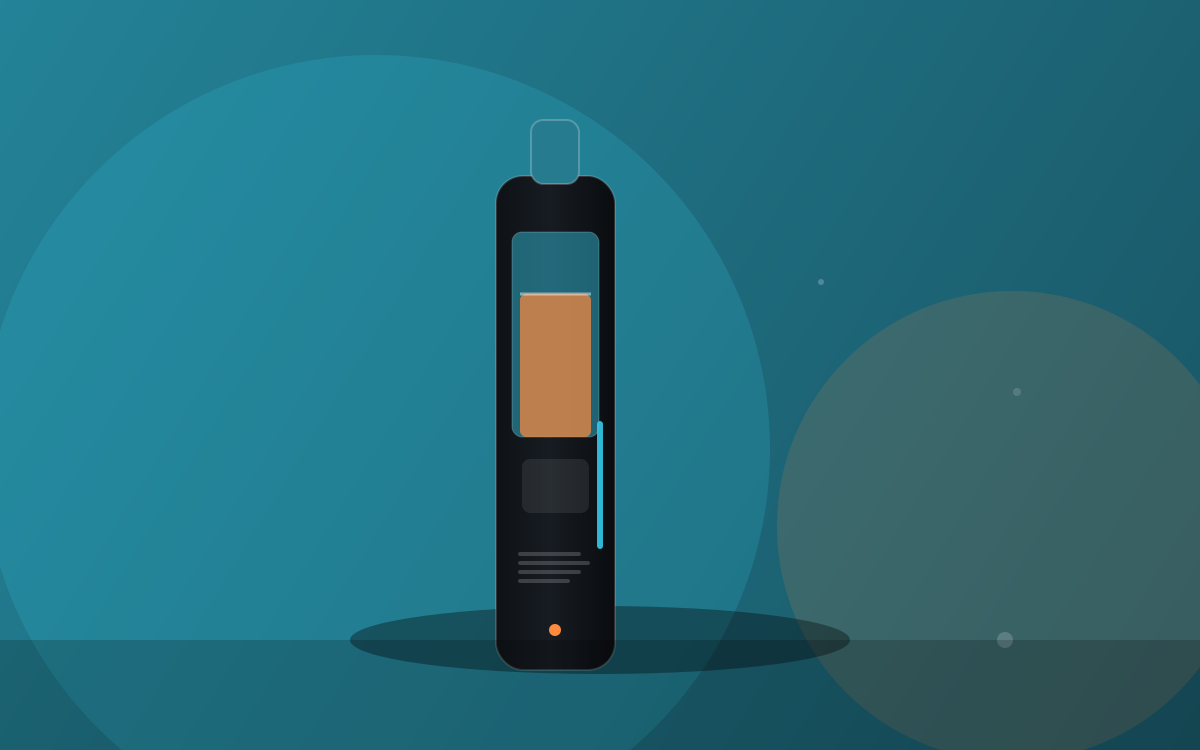
PG, VG, nicotine and what else
For Starter Vape Kit, the following is what can be checked rather than assumed. Pharmaceutical-grade PG and VG are the standard, and the difference between grades shows up as impurities rather than as taste. Nicotine should be sourced with a certificate of analysis stating purity and the ratio of the two isomers. Flavourings are food-grade, which is not the same as inhalation-tested, and that gap is the honest limit of what is known about long-term exposure.
- Treat 'food-grade' as not equal to inhalation-tested
- Store liquids away from light and heat
- Ask for the certificate of analysis on nicotine
- Ask for the test report date, not the logo
- Read the ingredient list on the bottle
What changed for 2026
Read this in the context of Starter Vape Kit: the measurement conditions matter as much as the result. Rules and product lines both moved again this year. Disposable restrictions tightened in several markets, tax treatment shifted in others, and suppliers re-specified batteries and pods to stay inside new limits. Anything written before those changes should be re-checked against a current document before it is used for a purchasing decision.
- Re-verify limits against the current regulator notice
- Ask suppliers for this year's test reports
- Check that packaging reflects the latest warnings

At a glance
Read this in the context of Starter Vape Kit: the measurement conditions matter as much as the result. These are the measurements that show up in audits and returns analysis. Where a range is wide, the difference is usually explained by power setting and charging habit.
| Risk area | What to check | Evidence to ask for | Residual risk |
|---|---|---|---|
| Battery integrity | Wrap, vent, protection circuit | UN38.3 and IEC 62133 reports | Thermal events |
| Charging path | Input rating, overcharge cut-off | 5V/1A adapter, protected board | Overheating and cell stress |
| Liquid composition | PG/VG ratio, flavourings, nicotine source | Safety data sheet, ingredient list | Irritation and sensitisation |
| Aerosol metals | Coil alloy and temperature | Lab aerosol test | Trace metal exposure |
| Device condition | Coil age, dry hits, residue | Maintenance schedule | Aldehyde formation |
Step by step
- Read the filling instructions once
- Prime the coil and wait
- Charge with a 5V adapter
- Keep the device out of hot cars
- Replace consumables on a schedule rather than on failure
Operational notes
Risk in this category is dominated by battery handling, liquid quality and device condition rather than by the presence of a heating element. Risk in this category is dominated by battery handling, liquid quality and device condition rather than by the presence of a heating element. Exposure falls when power stays inside the coil rating and the wick never runs dry.
Questions people ask
What decides e-liquid ingredients for is starter vape kit safe??
A nicotine certificate of analysis typically reports assay purity above 99% and both isomer ratios. Ask for the certificate of analysis on nicotine.
How can a buyer verify a safety claim?
Ask for the test report behind it: standard used, laboratory, date, model number and the specific test item. A certificate without a matching model number proves very little.
Do nicotine strength and risk scale together?
Nicotine strength affects dependence and throat harshness more than acute harm at typical retail concentrations, but higher strength does mean more nicotine per puff, which matters for anyone monitoring intake.
What should a retailer keep on file?
Test reports, safety data sheets for liquids, batch records, age-verification policy and a recall contact. That file is what an inspector asks for first.
Is a certified product automatically safe?
No. Certification confirms the sample met a standard at a point in time. Consistency across production batches is a separate question answered by factory QC records.
Related guides
- E-Liquid Ingredients ExplainedE-Liquid Ingredients, with the figures and documents that decide it.
- E-Liquid Ingredients in NumbersE-Liquid Ingredients, with the figures and documents that decide it.
- Dry Hits & Aldehydes ExplainedDry Hits & Aldehydes, with the figures and documents that decide it.
- Counterfeit Risk in NumbersCounterfeit Risk, with the figures and documents that decide it.
- Pregnancy Considerations Beginner GuidePregnancy Considerations, with the figures and documents that decide it.
- Oral Health Effects Buyer ChecklistOral Health Effects, with the figures and documents that decide it.
Regulatory and technical details on this page are a practical summary for buyers and operators, current as of 2026. Rules, limits and standards change; confirm the position with the relevant authority and with your supplier's documentation before shipping or selling.