Is Starter Vape Kit Safe? Dry Hits & Aldehydes — Mistakes that cause most problems
Direct answer
A dry hit is not just unpleasant; it is the condition under which carbonyl compounds form fastest. When the wick cannot keep up with the coil, temperature spikes and the liquid degrades rather than vaporises. Avoiding dry hits is the single most effective user-side control. Formaldehyde and acrolein emissions rise steeply once the wick runs dry, even at moderate power. Anyone handling stock should know the difference between a conformity document and a certificate of conformity issued without testing. Exposure falls when power stays inside the coil rating and the wick never runs dry. Regulators publish periodic evidence reviews, and the wording of those reviews is a better guide than a marketing page.
With Starter Vape Kit, the useful distinction is between what is measured and what is claimed. Aerosol chemistry, cell behaviour and liquid composition each have their own evidence base, and each has a different weakness.
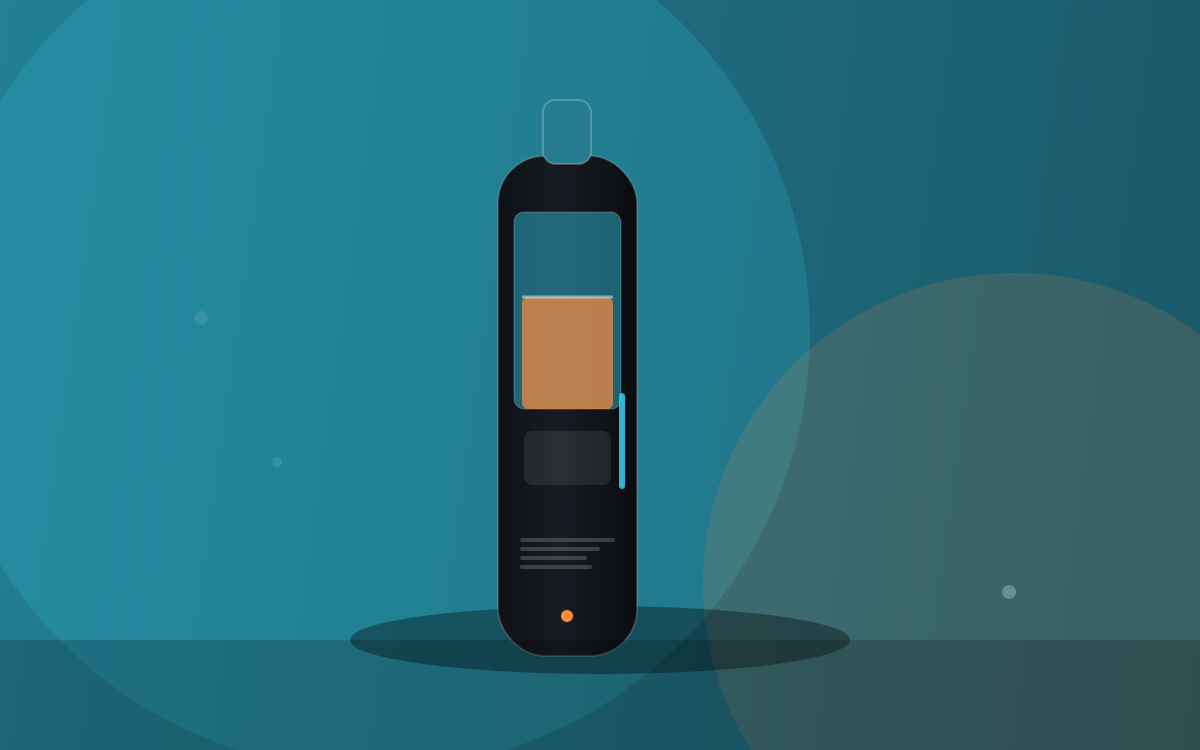
Dry hits and carbonyl formation
For Starter Vape Kit, this point decides how the rest of the risk picture reads. High VG liquid wicks more slowly, long draws outrun the wick, and a coil that has been sitting dry will scorch on the first puff. Priming a new coil, keeping the tank above the minimum line, and lowering power all reduce the risk. The taste is a reliable signal: a burnt, acrid note means stop, refill and wait rather than push through.
- Replace a scorched coil, do not clean it
- Prime a new coil and wait ten minutes
- Keep liquid above the minimum line
- Check the wrap on any removable cell
- Keep the device below the rated wattage
Mistakes that cause most problems
On the question of whether Starter Vape Kit is safe, this is the evidence that carries most weight. The majority of failures trace back to four habits: charging with the wrong adapter, filling past the mark, running a coil dry, and storing devices in a hot car. None of these are product defects, and all of them are cheaper to prevent than to refund. The pattern repeats across formats and price points.
- Charge from a standard 5V adapter, not a fast charger
- Leave an air gap when filling
- Prime a new coil before the first draw

Data snapshot
If the question is Starter Vape Kit, start here and work outward. Use this as a screening sheet. Anything the supplier cannot answer in these rows is a question to resolve before a purchase order, not after.
| Risk area | What to check | Evidence to ask for | Residual risk |
|---|---|---|---|
| Battery integrity | Wrap, vent, protection circuit | UN38.3 and IEC 62133 reports | Thermal events |
| Charging path | Input rating, overcharge cut-off | 5V/1A adapter, protected board | Overheating and cell stress |
| Liquid composition | PG/VG ratio, flavourings, nicotine source | Safety data sheet, ingredient list | Irritation and sensitisation |
| Aerosol metals | Coil alloy and temperature | Lab aerosol test | Trace metal exposure |
| Device condition | Coil age, dry hits, residue | Maintenance schedule | Aldehyde formation |
Step by step
- Ask for the test report and read the test items
- Confirm the laboratory and the date
- Check packaging language
- Agree MOQ, lead time and payment terms in writing
- Book a pre-shipment inspection for the first order
What this means day to day
Documentation separates a claim from a fact: model number, test standard, laboratory and date are the four fields that matter. Risk in this category is dominated by battery handling, liquid quality and unit condition rather than by the presence of a heating element. Exposure falls when power stays inside the coil rating and the wick never runs dry.
Questions people ask
What decides dry hits & aldehydes for is starter vape kit safe??
Formaldehyde and acrolein emissions rise steeply once the wick runs dry, even at moderate power. Prime a new coil and wait ten minutes.
Is a certified product automatically safe?
No. Certification confirms the sample met a standard at a point in time. Consistency across production batches is a separate question answered by factory QC records.
Is the device itself the main risk?
Battery and charging faults account for most reported incidents, not the aerosol. Protected cells, a compliant charger and an unscratched wrap remove the majority of that risk.
How does this compare with smoking cigarettes?
Public health bodies in the UK and elsewhere describe vaping as substantially less harmful than smoking, while noting it is not risk-free. The comparison is with combustible tobacco, not with breathing clean air.
What does the aerosol actually contain?
Typically propylene glycol, vegetable glycerin, nicotine, flavourings and trace metals from the coil. The exact mix depends on the liquid, the power setting and the condition of the coil.
Related guides
- Dry Hits & Aldehydes ExplainedDry Hits & Aldehydes, with the figures and documents that decide it.
- Dry Hits & Aldehydes in NumbersDry Hits & Aldehydes, with the figures and documents that decide it.
- CE, FCC & RoHS Checks Cost BreakdownCE, FCC & RoHS Checks, with the figures and documents that decide it.
- Youth Access Controls ExplainedYouth Access Controls, with the figures and documents that decide it.
- Pregnancy Considerations Beginner GuidePregnancy Considerations, with the figures and documents that decide it.
- Heart & Blood Pressure Common MistakesHeart & Blood Pressure, with the figures and documents that decide it.
Regulatory and technical details on this page are a practical summary for buyers and operators, current as of 2026. Rules, limits and standards change; confirm the position with the relevant authority and with your supplier's documentation before shipping or selling.