Is Starter Vape Kit Safe? Charging & Overheating — Field notes from real shipments
Direct answer
Charging is where small cells are stressed most. A charger that negotiates a higher voltage than the board expects, a cable with a damaged connector, or charging on a soft surface all raise temperature. The majority of charging incidents happen unattended, which is precisely when they are least manageable. A cell that is warm to the touch an hour after charging has finished is a failing cell, not a full one. Anyone handling stock should know the difference between a compliance document and a certificate of conformity issued without testing. A dated test report and a traceable batch number do more for safety than any label wording.
Most of what circulates about Starter Vape Kit is either a study abstract or a marketing line. This page works from the middle: what a test report shows, what it does not, and which question it leaves open.
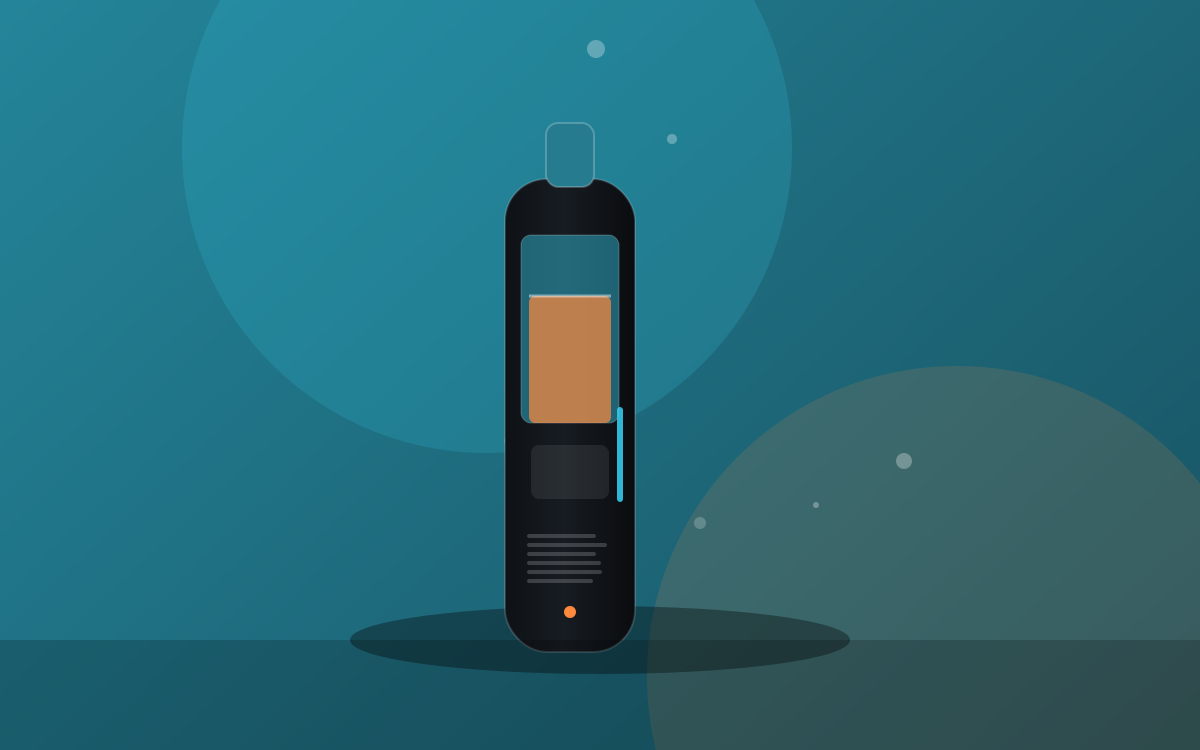
Charging faults and heat build-up
For Starter Vape Kit, the following is what can be checked rather than assumed. A standard 5V/1A adapter is the safest default for a small internal cell. Fast-charge protocols are not inherently dangerous, but they assume a board designed for the current, and inexpensive units often are not. Charge on a hard surface, keep the port dry, and stop using a device that becomes noticeably hot while idle, because that points to a failing cell rather than a charger.
- Replace damaged cables rather than tape them
- Use a 5V/1A adapter as the default
- Charge on a hard, non-flammable surface
- Replace a coil at the first burnt taste
- Ask for the test report date, not the logo
Field notes from real shipments
This is the part of the Starter Vape Kit question that a product page usually leaves out. Field notes are what the spec sheet leaves out. In real use, returns cluster around the first ten days, damage clusters around transit, and stock that sits for a season behaves differently from stock that moves. Recording these patterns turns a vague sense of quality into something a buyer can act on.
- Log returns by batch, not by month
- Inspect cartons for compression damage on arrival
- Rotate stock so older batches ship first
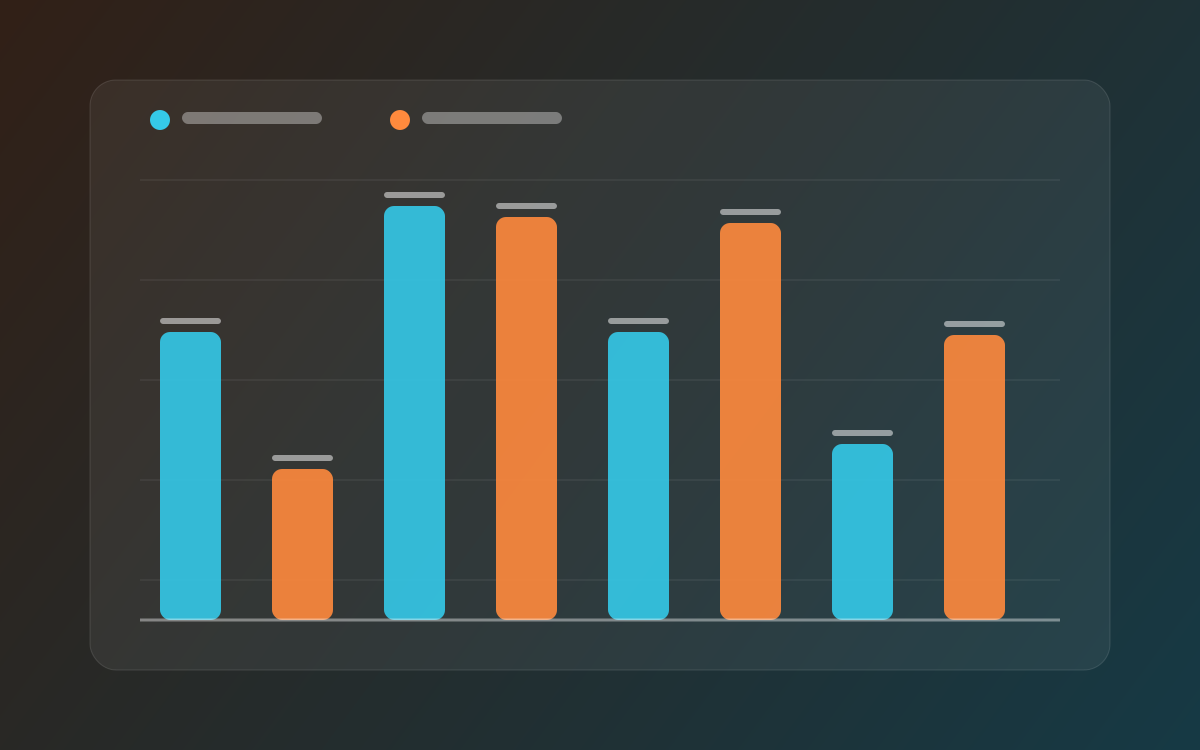
Numbers to work from
For Starter Vape Kit, the following is what can be checked rather than assumed. Figures are stated in the units a buyer sees on a quotation, so they can be compared without conversion.
| Risk area | What to check | Evidence to ask for | Residual risk |
|---|---|---|---|
| Charging path | Input rating, overcharge cut-off | 5V/1A adapter, protected board | Overheating and cell stress |
| Liquid composition | PG/VG ratio, flavourings, nicotine source | Safety data sheet, ingredient list | Irritation and sensitisation |
| Aerosol metals | Coil alloy and temperature | Lab aerosol test | Trace metal exposure |
| Device condition | Coil age, dry hits, residue | Maintenance schedule | Aldehyde formation |
| Age control | Verification at point of sale | ID check policy and logs | Youth access |
Step by step
- Ask for the test report and read the test items
- Confirm the laboratory and the date
- Check packaging language
- Agree MOQ, lead time and payment terms in writing
- Book a pre-shipment inspection for the first order
What this means day to day
Anyone handling stock should know the difference between a compliance document and a certificate of conformity issued without testing. Documentation separates a claim from a fact: model number, test standard, laboratory and date are the four fields that matter. Where the evidence is thin the guide says so, which is more useful than a confident claim.
Questions people ask
What decides charging & overheating for is starter vape kit safe??
A cell that is warm to the touch an hour after charging has finished is a failing cell, not a full one. Use a 5V/1A adapter as the default.
Do nicotine strength and risk scale together?
Nicotine strength affects dependence and throat harshness more than acute harm at typical retail concentrations, but higher strength does mean more nicotine per puff, which matters for anyone monitoring intake.
What should a retailer keep on file?
Test reports, safety data sheets for liquids, batch records, age-verification policy and a recall contact. That file is what an inspector asks for first.
Is a certified product automatically safe?
No. Certification confirms the sample met a standard at a point in time. Consistency across production batches is a separate question answered by factory QC records.
Is the device itself the main risk?
Battery and charging faults account for most reported incidents, not the aerosol. Protected cells, a compliant charger and an unscratched wrap remove the majority of that risk.
Related guides
- Charging & Overheating ExplainedCharging & Overheating, with the figures and documents that decide it.
- Charging & Overheating in NumbersCharging & Overheating, with the figures and documents that decide it.
- Flavourings & Irritation Beginner GuideFlavourings & Irritation, with the figures and documents that decide it.
- Heavy Metal Transfer 2026 UpdateHeavy Metal Transfer, with the figures and documents that decide it.
- CE, FCC & RoHS Checks Common MistakesCE, FCC & RoHS Checks, with the figures and documents that decide it.
- Youth Access Controls in NumbersYouth Access Controls, with the figures and documents that decide it.
Regulatory and technical details on this page are a practical summary for buyers and operators, current as of 2026. Rules, limits and standards change; confirm the position with the relevant authority and with your supplier's documentation before shipping or selling.